
I knew we were in trouble when my nephew Akash walked into our Durga Puja family gathering looking pale and immediately asked for the bedroom. No khichuri. No mishti. No playing with his cousins. Just straight to bed at 4 PM—something completely unlike him.
By evening, his younger sister Sikha, had the same glassy eyes. Within two days, my sister was down with high fever, and by the end of the week, half the family was coughing, sniffling, and miserable.
Welcome to Kolkata’s winter—beautiful weather outside, viral fever inside- every second home. As a dentist practicing at our dental clinic in Rajarhat Newtown, I see the aftermath of these seasonal illnesses every year.
Patients come in for routine check-ups, 2-3 months after recovering from a bad cold or flu, and suddenly they have 4-5 new cavities. When I ask what changed, the answer is almost always: “I was really sick during Puja time…” Here’s what most people don’t realize: the way you handle-being sick , directly affects your dental health for months afterward.
Let me explain what actually happens—and more importantly, what you can do differently.
Why Does Being Sick Cause Dental Problems?
Think about what happens when you’re down with viral fever:
Mouth breathing (because your nose is blocked) → Dries out your saliva → Bacteria multiply faster without saliva’s natural protection
Constant lozenges and cough drops → Bathing your teeth in sugar for hours daily → Creates acidic environment perfect for cavities
Frequent snacking (soup, biscuits, tea every 2 hours) → Your mouth stays acidic all day → Enamel gets no break to remineralize
Medicines (especially syrups) → Often contain sugar → Many cause dry mouth as a side effect
Too exhausted to brush properly → Food accumulates over teeth → Bacteria feast on accumulated food particles
The worst part? You might feel completely recovered, but the damage to your teeth has already been done. Those cavities just take a few months to become visible.
Over my years at Smilestone Dental Care, I’ve learned some practical ways to protect your teeth while recovering from cold and flu—especially suited to our Bengali lifestyle and easily available remedies.
What We(as doctors) Do Differently During Cold & Flu Season
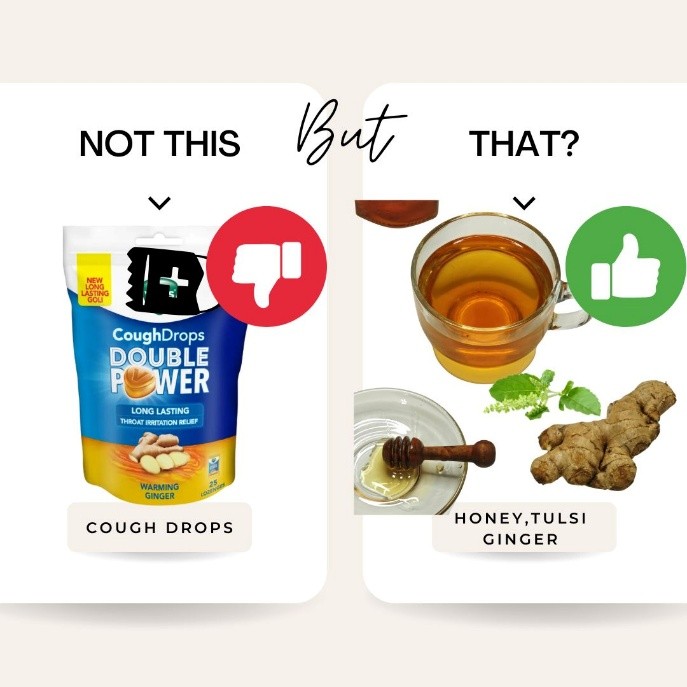
- Ditch the Lozenges, Use Honey Instead.Most cough drops available at every pharmacy in Kolkata Newtown or Rajarhat are basically sugar candies. You’re exposing your teeth to sugar for 15-20 minutes, multiple times a day.
Better alternatives: Honey mixed with freshly grated ginger -Cocktail of natural anti-microbials, soothes throat
Tulsi and honey – Traditional Bengali remedy, actually beneficial for oral health
Warm salt water gargle – Reduces throat inflammation without harming teeth Mulethi (licorice/যষ্টিমধু) powder with honey – Available at any Ayurvedic shop, helps with cough If you absolutely must use lozenges, rinse your mouth with plain water immediately after they dissolve.
2. Manage the Constant Snacking When you’re sick, you’re eating small amounts frequently—cha-biscuit at 11 AM, muri at 3 PM, another round of cha at 5 PM. Each time you eat, your mouth becomes acidic for 20-30 minutes.
What helps: Rinse with water after eating – Just swish plain water vigorously for 30 seconds. This is easy since you should be drinking plenty of fluids anyway.
Choose tooth-friendly snacks when possible:
Khichuri instead of biscuits
Boiled eggs instead of bread
Curd/doi (unsweetened) instead of mishti
Coconut water for hydration
Clear dal soup instead of biscuits
End your snack with something alkaline: A small piece of cheese A few roasted peanuts or cashews They help bring mouth pH back to neutral faster
3. The Green Tea Advantage My grandmother always said, “Cha khele gola bhalo hoy” (tea helps the throat). She was right, but choose wisely.
Green tea over regular chai when you’re sick: Less acidic than black tea
Contains compounds that support beneficial oral bacteria
Doesn’t dry your mouth like strong chai does
Add a bit of honey and ginger for throat relief
At our dental clinic in Newtown, patients often ask about tea staining.
During illness, the antioxidant benefits of tea outweigh the minor staining concerns—you can always get a professional cleaning later.

4. Dry Brushing When You’re Too Weak.
Here’s something I tell every patient: if you’re too sick to stand at the sink, dry brush in bed. Use a moist toothbrush (without adding water or paste) and gently brush while lying down.
It breaks up the plaque biofilm —which is the most important part anyway. The toothpaste is secondary. Keep a soft-bristled toothbrush next to your bed for the worst days.
When you can make it to the bathroom, brush properly with paste. This simple habit prevents that gross, sticky feeling and stops bacteria from taking over your mouth completely.
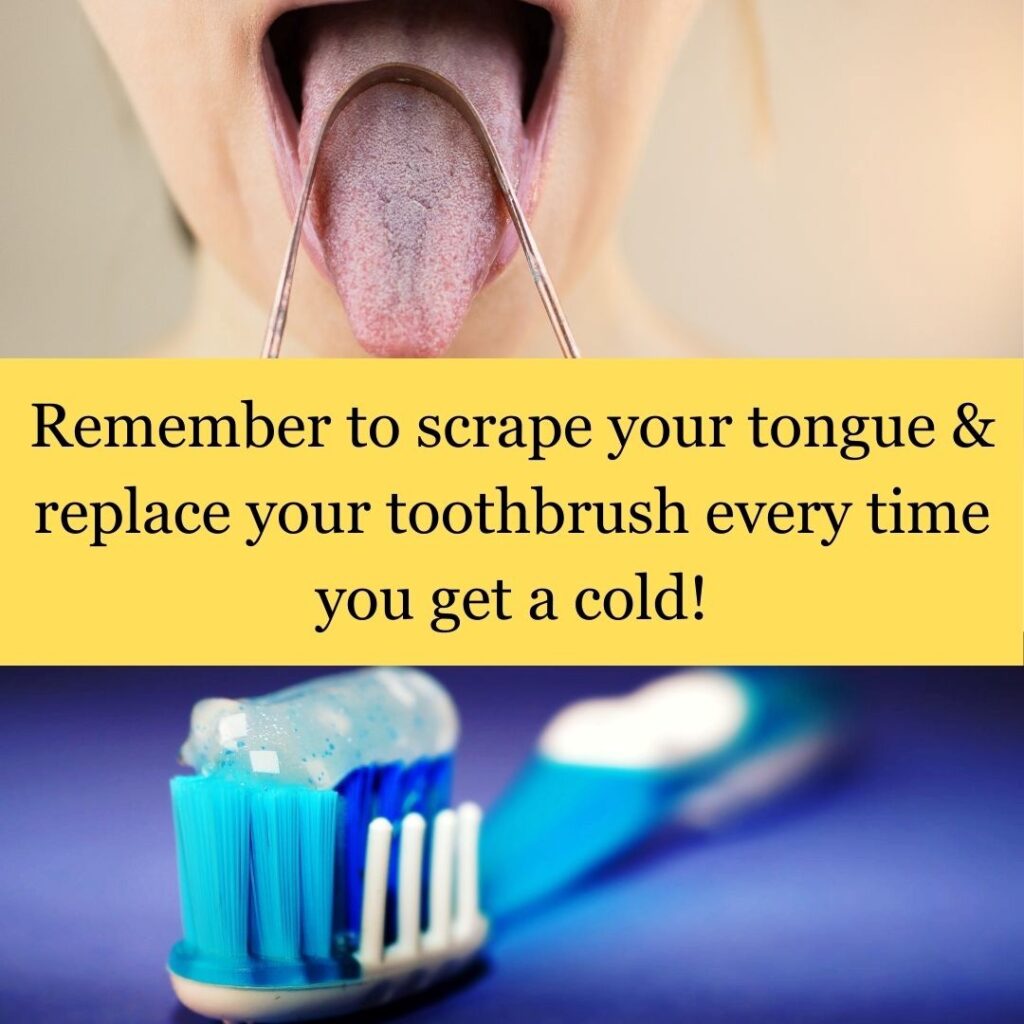
5. Scrape Your Tongue Every Morning When you’re sick and mouth-breathing all night, your tongue becomes a breeding ground for bacteria. That white coating you see? That’s bacterial buildup. Use a tongue scraper (or even the edge of a spoon if you don’t have one). Scrape from back to front 4-5 times, rinse, repeat. You’ll be shocked at what comes off.
More importantly, you’re removing a massive bacterial load that your immune system otherwise has to fight. This is a traditional Ayurvedic practice that actually makes scientific sense. You can find tongue scrapers at any pharmacy in Rajarhat or order online for under ₹100.
6. Be mindful with the Antiseptic Mouthwash I know the instinct-when one is sick, “kill all germs” .So we seek antibiotics and antiseptic mouthwash. But they are double edged sword. They kill both the good bacteria and bad. You would be surprised to know how many good bacterias are in our body, they help us to survive. So take a step back, think rationally.
7. In Germany,they would have prescribed you 3 flavours of tea, as only medicine . Point being, we don’t need much to recover from the flu.
Better option: Warm salt water rinses (1 teaspoon salt in a glass of warm water). It’s gentle, reduces inflammation, and doesn’t disturb your good bacterias.
8. After Vomiting: Wait Before Brushing If viral fever causes vomiting (common in kids), don’t rush to brush immediately. Stomach acid softens tooth enamel. Brushing right away scrubs that acid into your teeth, causing more damage.
Instead:
- Your saliva will naturally start remineralizing the enamel during this time
2. Rinse thoroughly with plain water
3. Swish with baking soda solution (1 teaspoon in a glass of water) to neutralize acid
4. Wait at least 30 minutes before brushing
9. Stay Hydrated (But Smart About It) Drink plenty of fluids, but be strategic:
Good choices: Plain water Coconut water Vegetable soup/clear dal Green tea with honey Lemon water (rinse mouth with plain water after)
Avoid prolonged sipping of: Sugary drinks Fruit juices (very acidic) Glucose water all day long If you must have something sweet for energy, drink it in one go rather than sipping for hours. Then rinse your mouth.
10. Replace your toothbrush after recovery, insanely important: The day you feel better, throw out your toothbrush (or replace the electric brush head). Bacteria and viruses linger on bristles for days. Don’t give them a chance to reinfect you—or pass the illness to family members who might share a toothbrush holder. This is especially important in Indian joint families, where everyone’s brushes are often kept together. Cost: ₹40-100 for a new brush. Worth it.
11. Support Your Immunity (The Dental Connection) What’s good for your immune system is good for your oral health:
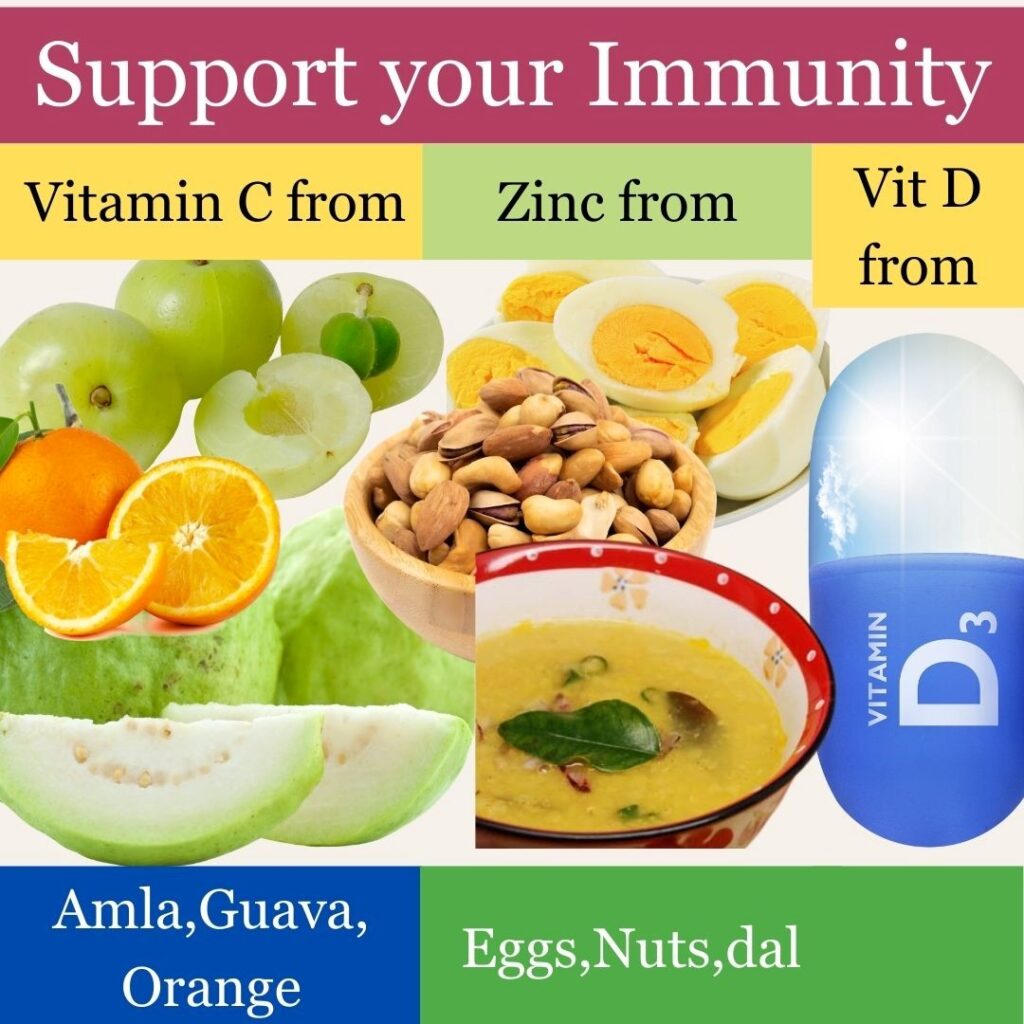
Vitamin C: Supports gum health and healing. Get it from amla, guava, oranges.
If taking supplements, space doses throughout the day.
Vitamin D: Most people in Kolkata are deficient in Vitamin D, especially during winter when we’re indoors more. Ask your doctor about supplementation.
Zinc: Supports immune function. Available in eggs, nuts, dal. Short-term supplementation during illness can help.
Turmeric milk (haldi doodh): Traditional Bengali remedy that actually works. Turmeric is anti-inflammatory for both your throat and gums
At Smilestone Dental Care Rajarhat Newtown, we often see a correlation—patients who frequently fall sick also tend to have more gum inflammation and dental issues. Supporting your overall immunity helps your oral health too.
Special Note for Parents When your child is sick: Avoid sugar-laden cough syrups when possible. Ask your pediatrician for sugar-free alternatives. After giving medicine, have them rinse with water or drink a few sips.
Make brushing non-negotiable, even when they’re unwell. Make it easier—let them brush in bed if needed, use a fun-flavored toothpaste, but don’t skip brushing at any cost. Offer water frequently to keep their mouth moist, especially if they’re mouth-breathing.
Check their tongue for thick white coating. Gently clean it with a soft cloth or child-friendly tongue cleaner.
What to Do After You Recover Once you’re feeling better:
✅ Schedule a dental check-up at your nearest dental clinic in Newtown or Rajarhat within 4-6 weeks of recovery. We can catch any early damage before it becomes a bigger problem.
✅Professional cleaning helps remove, any plaque buildup that accumulated during illness.
✅ Discuss preventive measures if you frequently fall sick—there might be underlying issues affecting both your immunity and oral health.
✅ Get back to your regular oral hygiene routine: Twice-daily brushing, once-daily flossing, tongue scraping.
The Bigger Picture Your mouth is the gateway to your body. During illness, it’s also the entry point for more bacteria, more inflammation, and more complications. If you stick to the simple habits I’ve shared—rinsing after snacking, using honey instead of lozenges, dry brushing when exhausted, tongue scraping—they will make a difference in how fast you recover and how less you suffer from dental problems in the coming months.
At our dental clinic in Rajarhat Newtown, we see it clearly: patients who take care of their oral health during illness, recover faster and have fewer dental issues afterward.
Next time you or a family member catches that inevitable winter viral fever, you now have the tools to protect your teeth while you recover.
Because fighting one illness is hard enough. You do not need cavities and gum problems additionally. Stay Healthy This Season
Meta Description: Learn how to recover from cold and flu fast without damaging your teeth. Expert tips from Smilestone Dental Care, Rajarhat Newtown on managing oral health during viral fever.
Keywords: dental clinic in Newtown, dental clinic in Rajarhat Newtown, Smilestone Dental Care Rajarhat Newtown, oral health during illness, viral fever dental care, cold and flu teeth protection